-
-
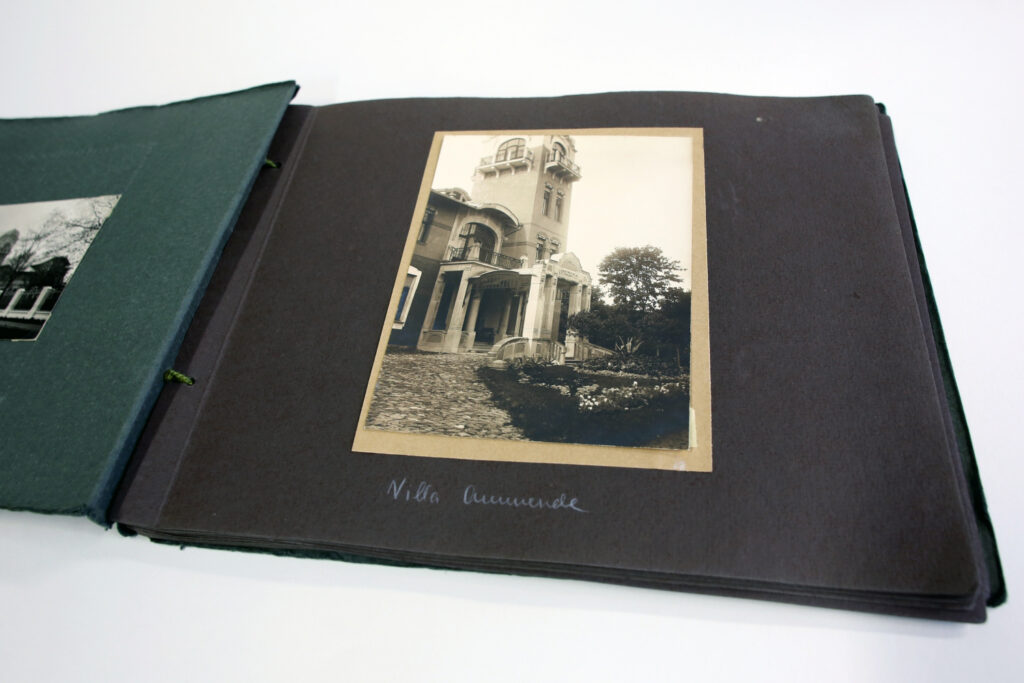
Photo album of Villa Ammende
-
-
Photo album of Villa Ammende
-
-
Photo album of Villa Ammende
-
-
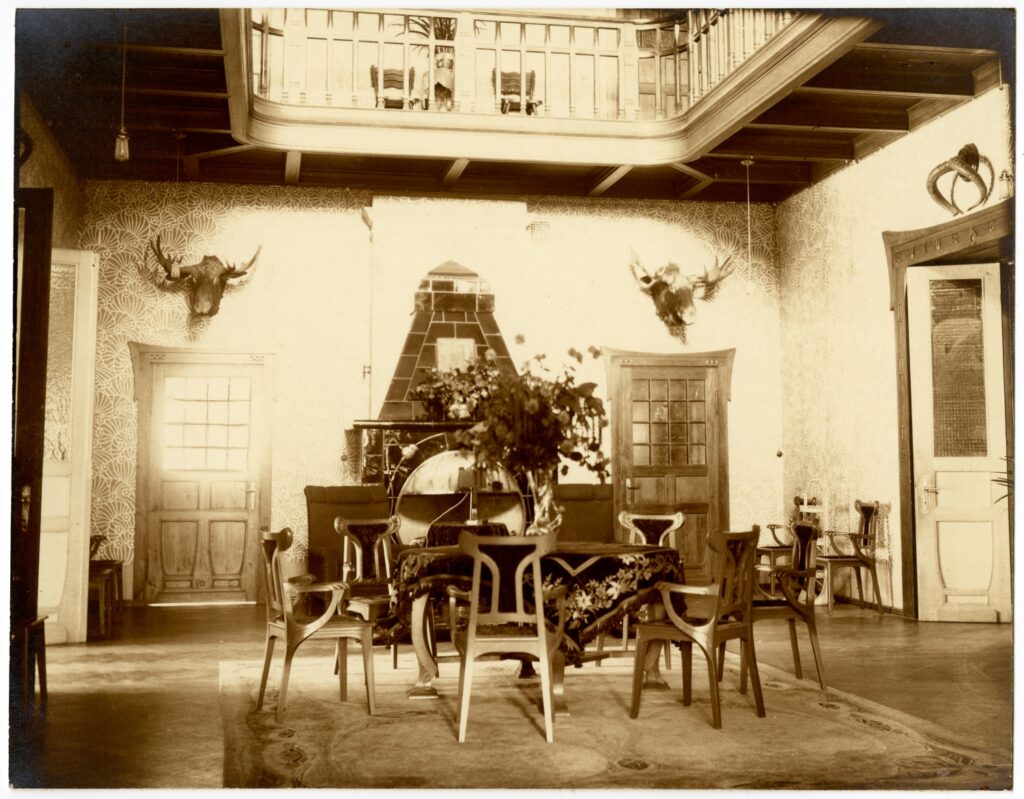
Photo album of Villa Ammende, the hall
-
-
Photo album of Villa Ammende
-
-
Photo album of Villa Ammende
-
-
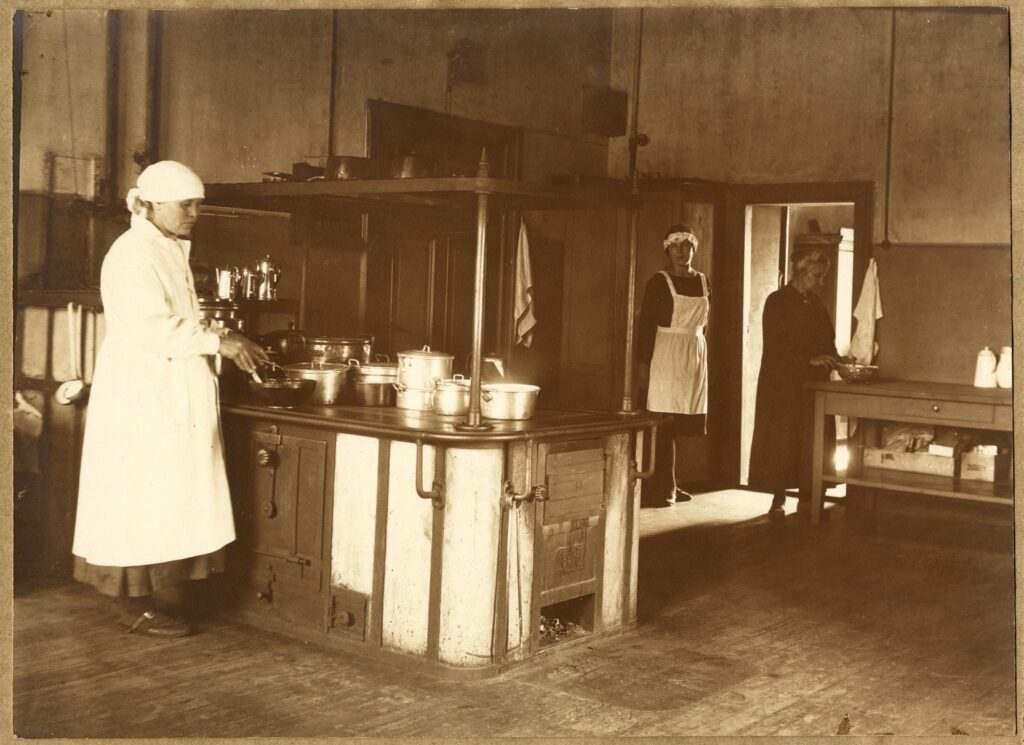
Ammende villa photo album, the kitchen
-
-
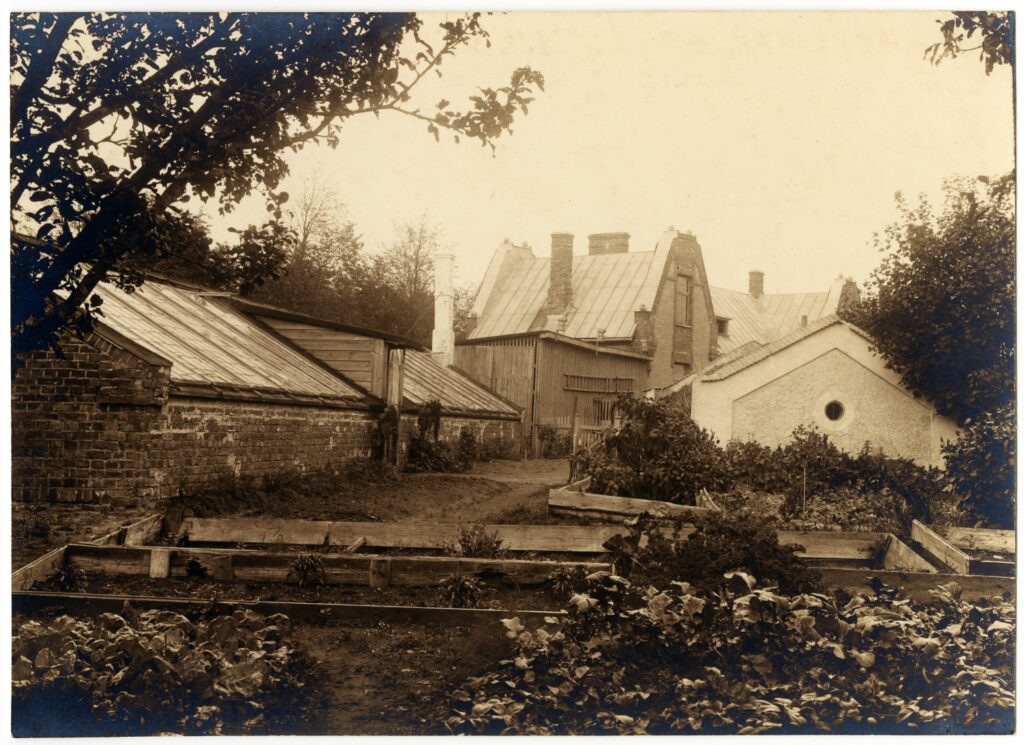
Photo album of Villa Ammende, vegetable garden
-
-
Photo album of Villa Ammende
Harald Krannhals, 1926. EAM 1.2.43
Album of Villa Ammende
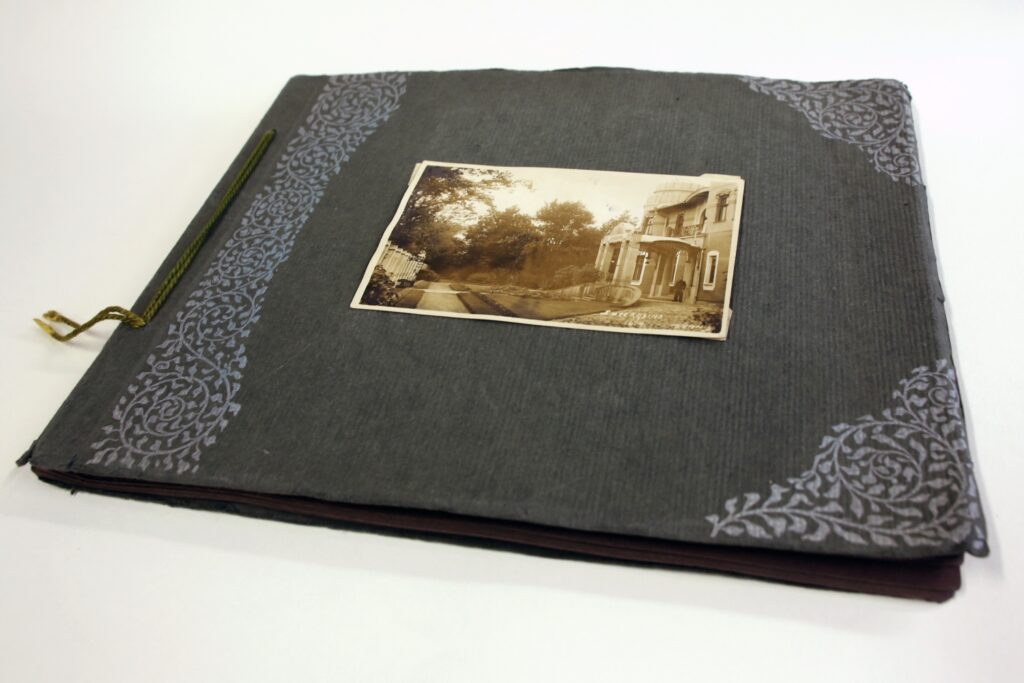
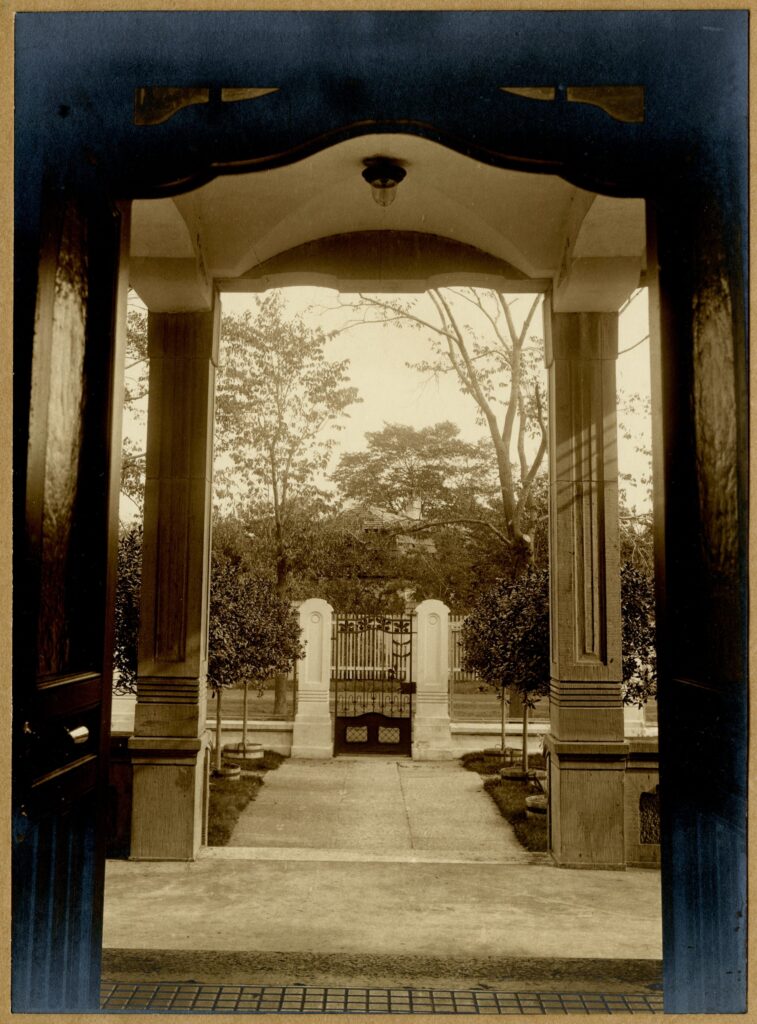
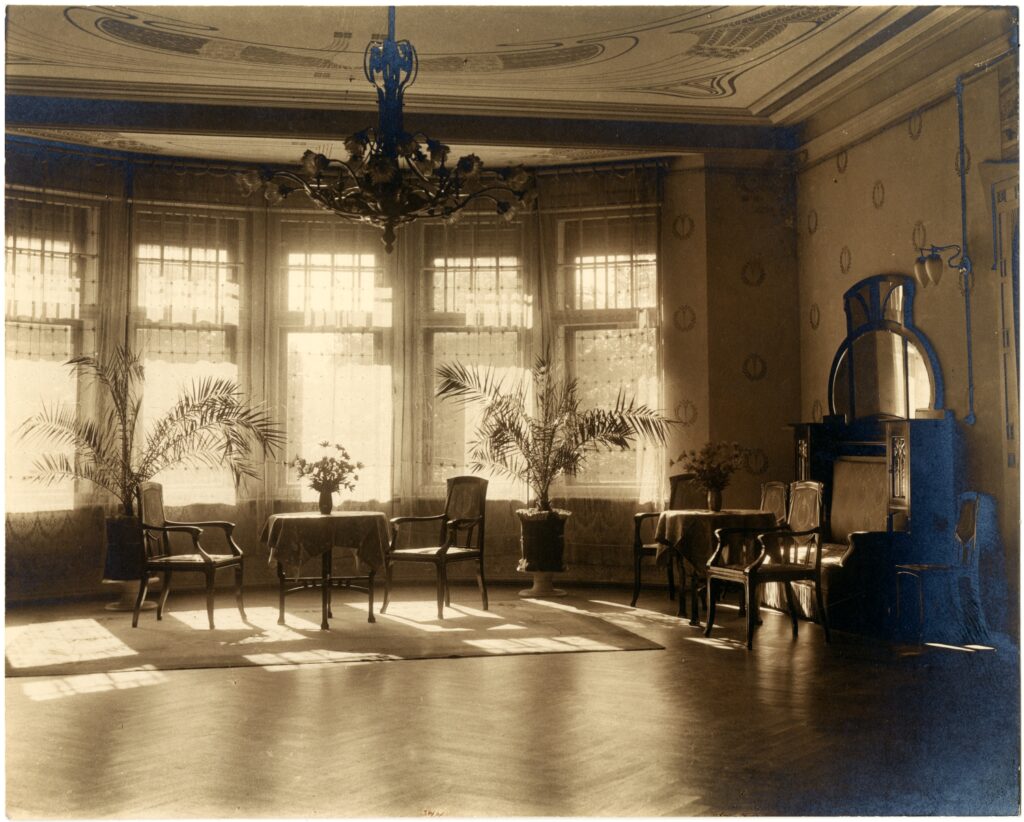
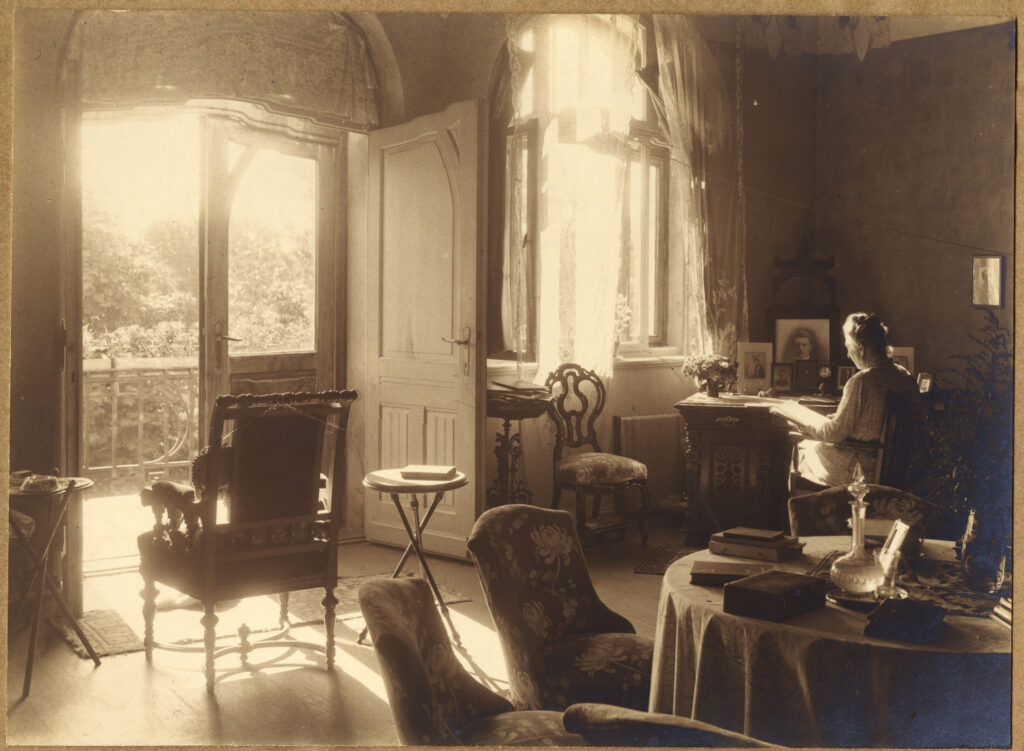
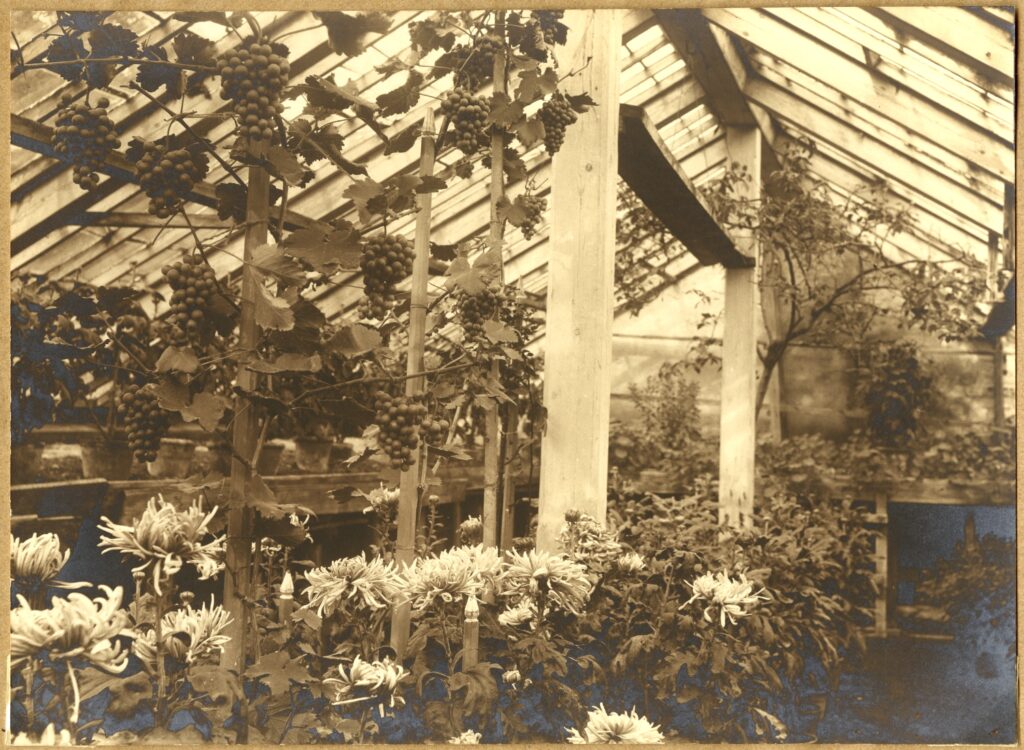
The newest addition to the museum collection is related to the well-known Art Nouveau villa in Estonia. The album of Villa Ammende in Pärnu (architect Frithiof Mieritz, 1904) is exceptional not only for its photos of large variety of exteriors and interiors but as well as for some of the pictures taken from unusual places such as the kitchen with its staff, backyard and greenhouse depicting fruity grapes. The album shows the life and living manners of the family of a prosperous merchant displaying splendid furniture, textiles and items.
The album, lately owned by Irina Mirkov – the grandchild of Hermann Leopold Ammende – was put together for selling the house. Mr Ammende, an established merchant from Pärnu, commissioned the building from an architecture office in St Petersburg called Mieritz & Gerassimov for the wedding party of his daughter Ellen. After the festivities, the family used the luxurious house as a summer cottage until moving back to Germany in 1927.The pictures taken in 1926 are made by Harald Krannhals, the photographer from Pärnu. Addition to his work are pictures taken by Mihkel Õnnis some years later. Altogether 21 photos show some typical deteriorations happen in time. The dim areas of the photos have spots of silver coating. The album was given to the museum by Aivar Roosaar, who was involved in restoration of the villa (1995–1999). The gift shall be a befitting addition to the original project previously given to the museum (EAM 1.2.11). Text: Sandra Mälk
(click on the picture to see more)
-
-
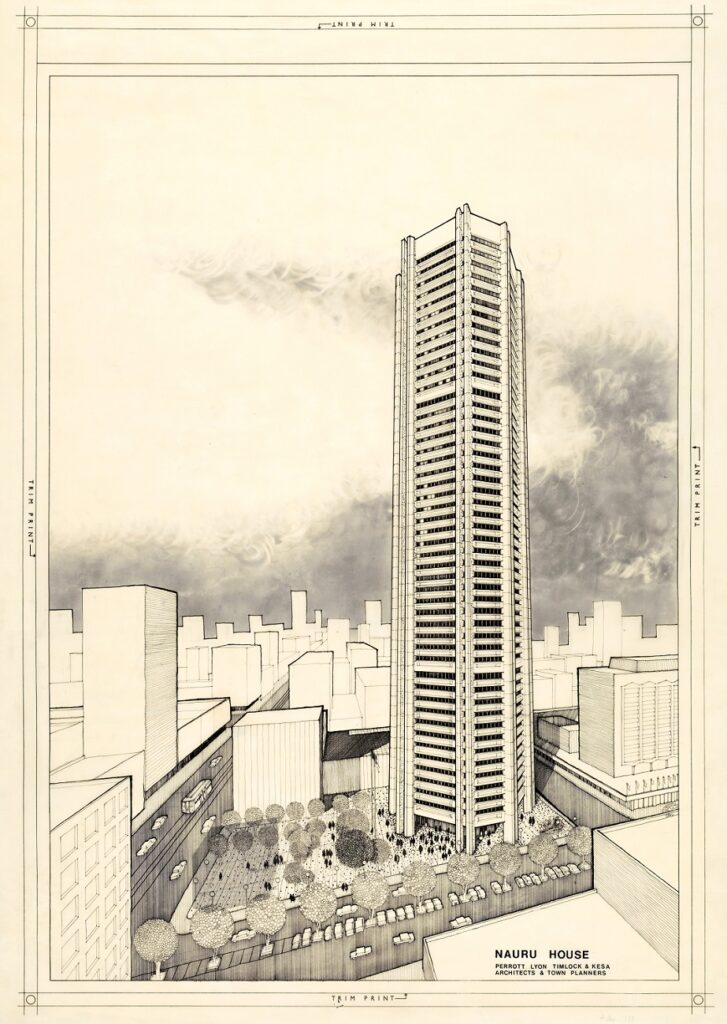
Nauru House in Melbourne
Ernst Kesa, 1970. EAM 12.1.1
Nauru House in Melbourne
The design for the 52-storey skyscraper was commissioned by the government of the small island country of Nauru in the Pacific Ocean after rapid increase in wealth thanks to the phosphate industry. The building became an international investment project which was also due to house the residency of the president of Nauru. The skyscraper on the presentable Collins Street in Melbourne was the highest building in the city in 1977 and was designed by the largest architecture office in Australia – Perrott Lyon Timlock & Kesa. The managing architect of the Nauru project was Ernst Kesa, who emigrated from Estonia during the war and also drew up a perspective view of the building. Ernst Kesa donated this drawing on the tracing paper made with ink to the museum in 1992. Text: Sandra Mälk
Leila Pärtelpoeg, 1973–1978. EAM 4.3.7
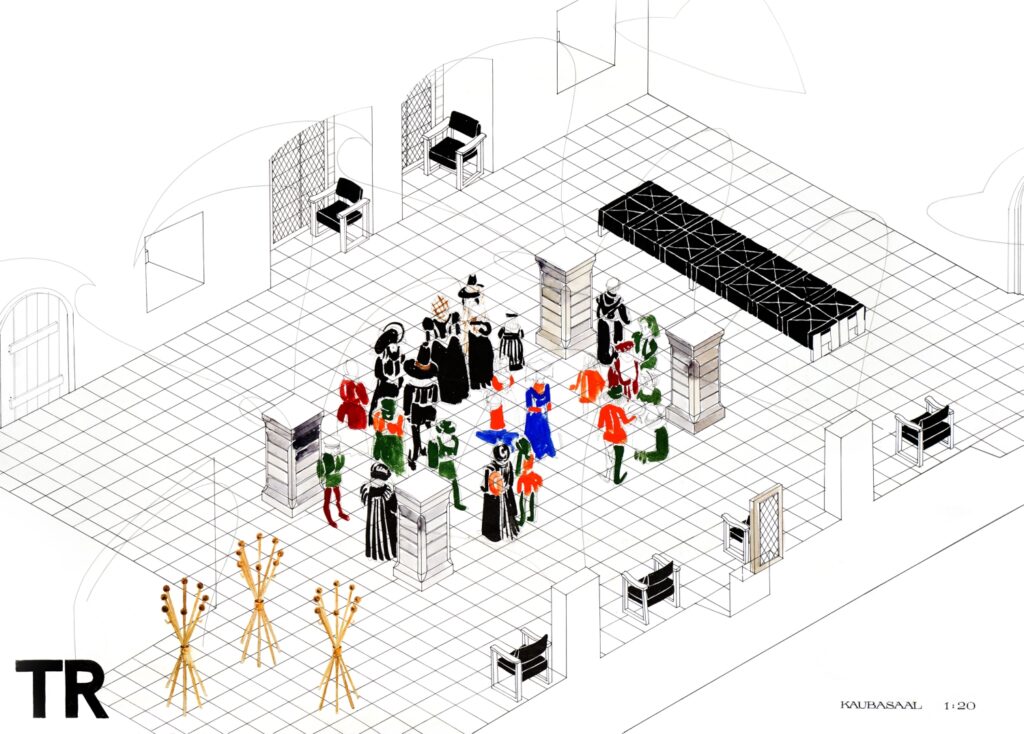
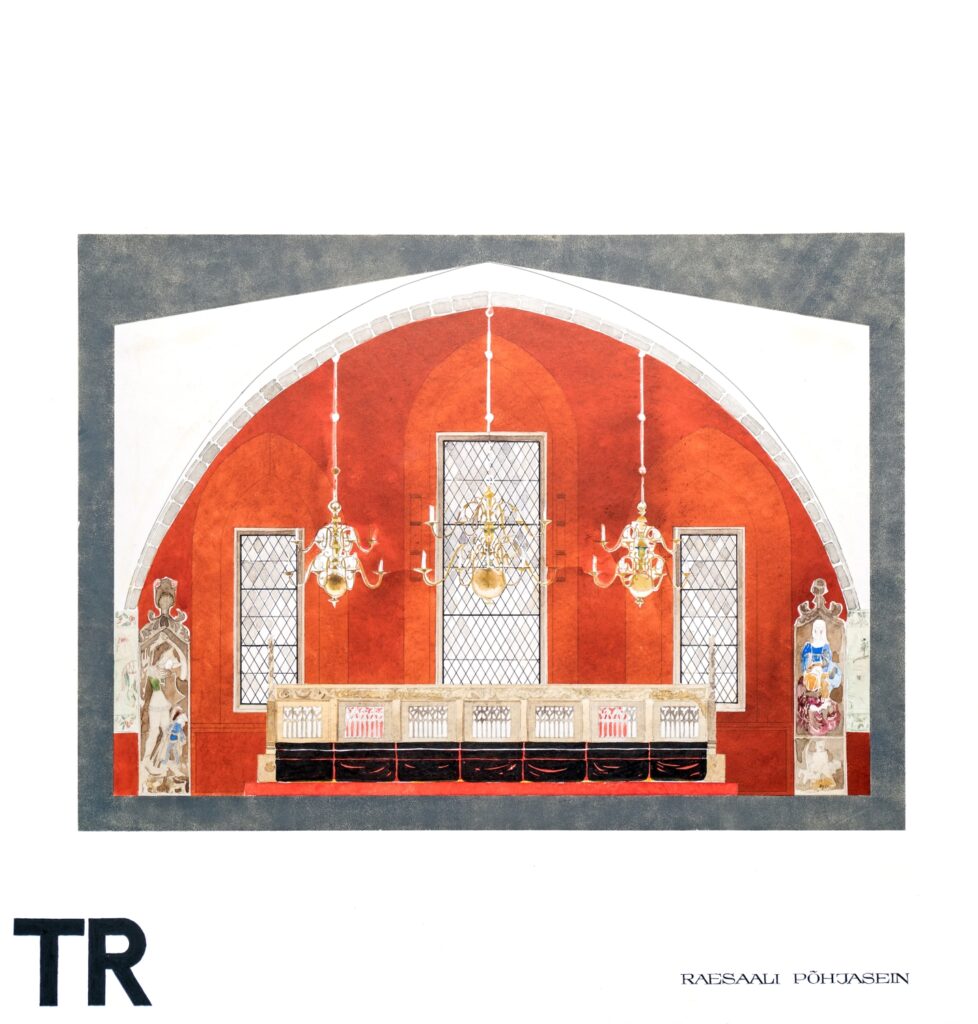
Interior design of the Tallinn Town Hall
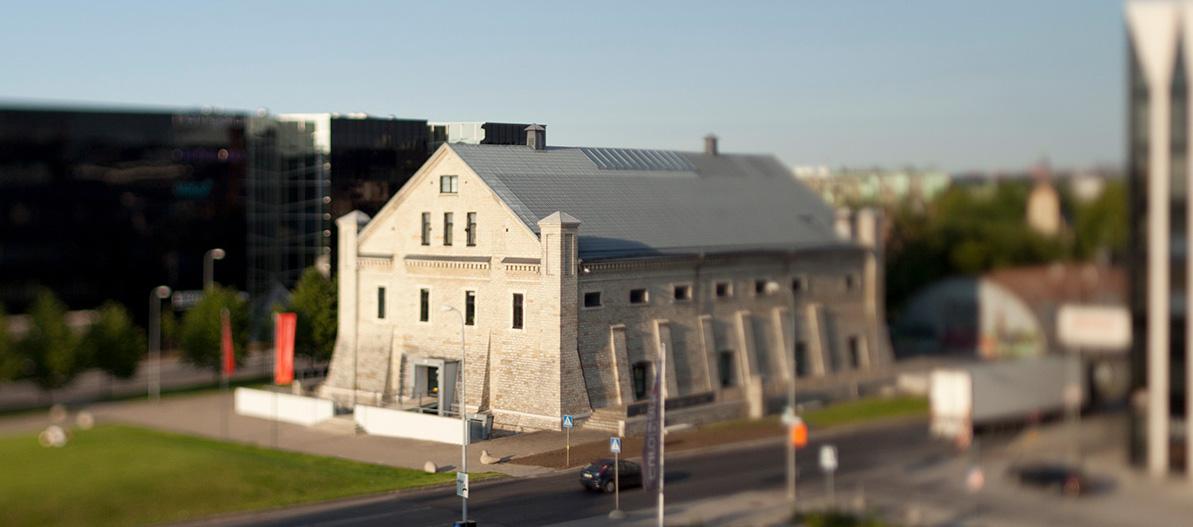
During the renovation of the oldest Gothic town hall which has been preserved in Northern Europe (completed in the beginning of the 15th century), a competition was held to find a fitting interior design for the historic surroundings. Some of the decision-makers believed the winning solution by interior architect Leila Pärtelpoeg with its heavy black furniture, high gloss doors and copper lamp globes to be much too competitive with the historical legacy. Others, however, saw the tension between new and old as an expected means to invigorate the room. The drawings depict medieval festivities in the trading hall and the guild-hall with historical chandeliers and side reliefs. Leila Pärtelpoeg donated nearly 50 drawings of the furniture and interior design to the museum in 2000. Text: Sandra Mälk
-
-
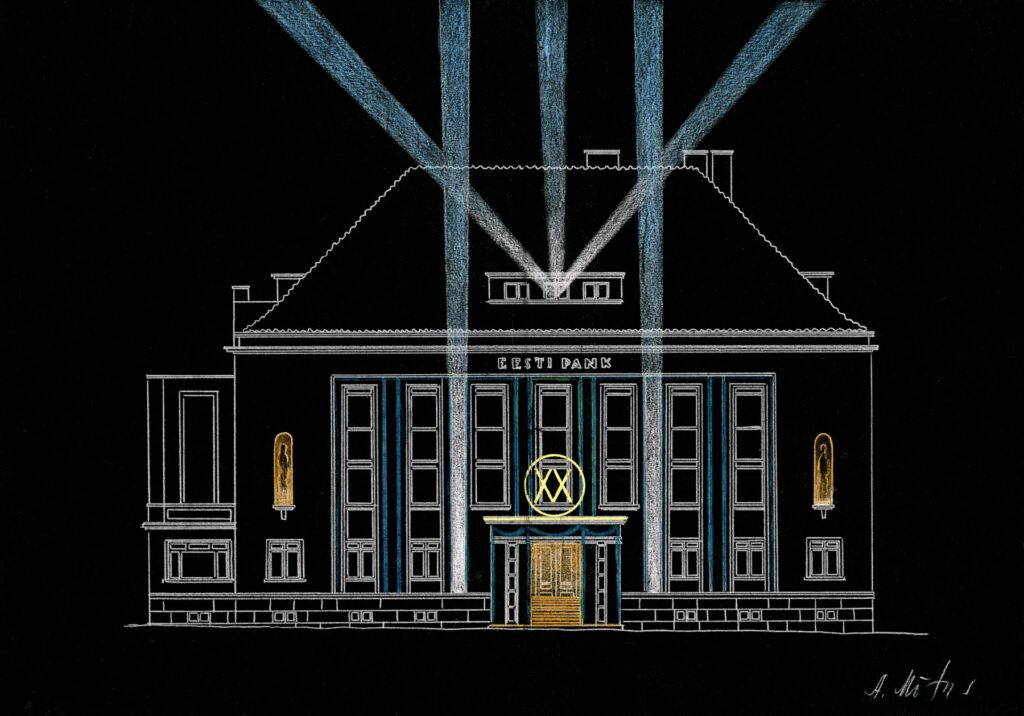
Lighting design for the bank building in Tartu
Aarne Mõttus (drawing), Arnold Matteus, Karl Burman. MEA 2.3.49
Lighting design for the bank building in Tartu
In 1936 the people of Tartu named the building of the Tartu branch of Eesti Pank (Bank of Estonia) (designed by Arnold Matteus and Karl Burman) as one of the most stately-looking new structures in the city. The bronze sculptures by sculptor Juhan Raudsepp add to the artistic integrity of the presentable façade. It was no coincidence that this bank building was also chosen as one of the public buildings to be decorated for the 20th anniversary of the Republic of Estonia. The lighting design for the façade, overseeing the square, was prepared by graphic and scenographer Aarne Mõttus. Drawing was donated by restoration firm Pindisain Ehitus in 2001. Text: Sandra Mälk
-
-
-
-
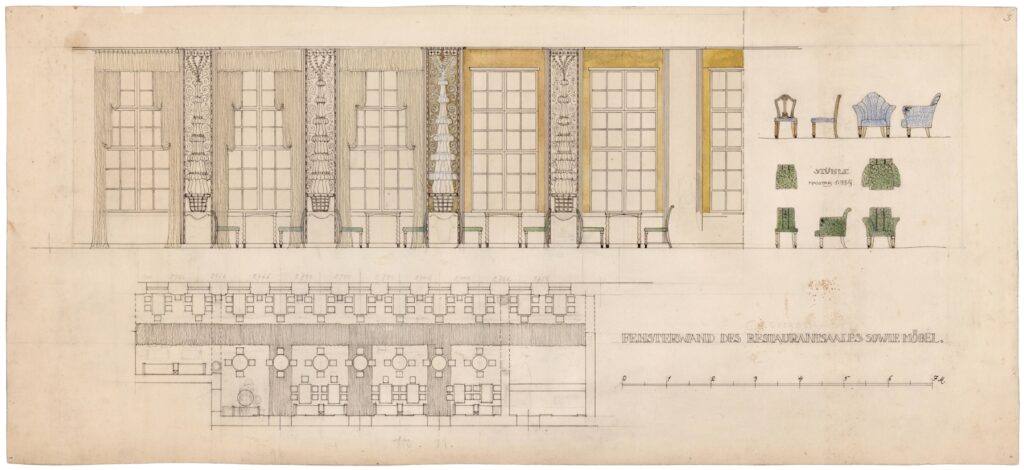
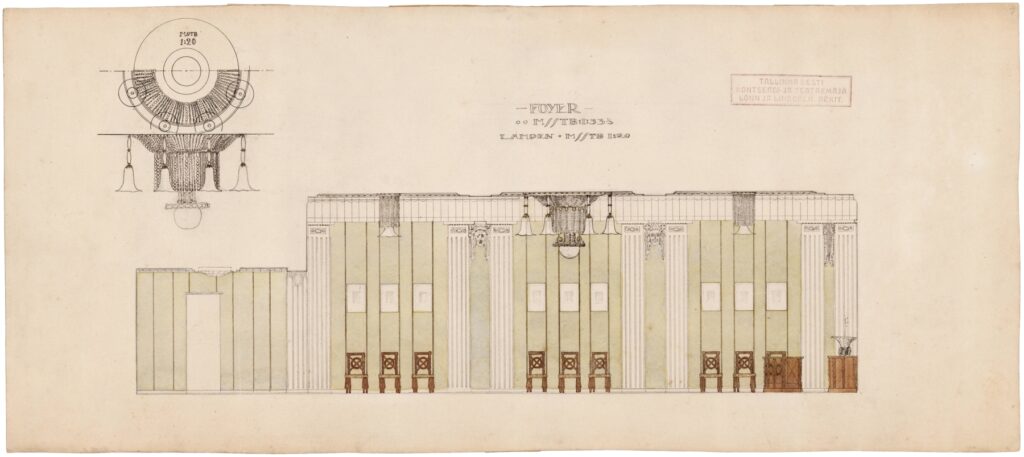
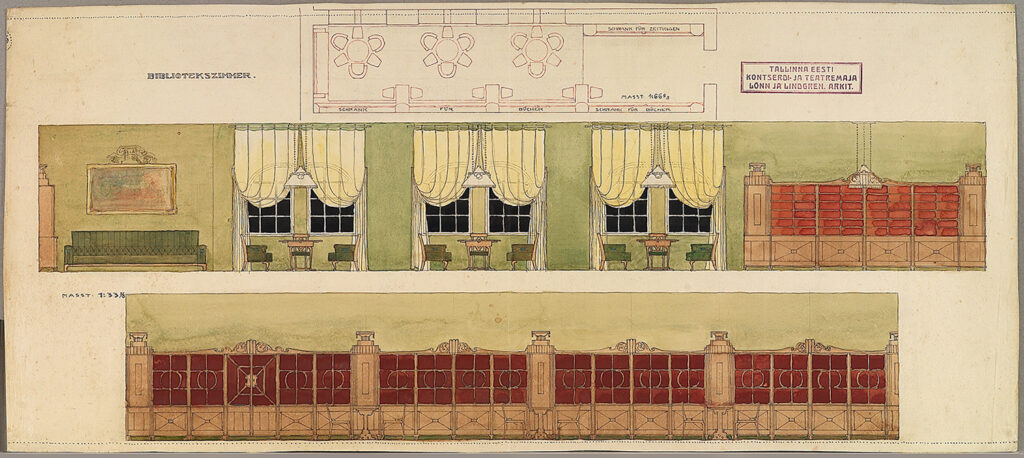
Interior design of the Estonia Theatre, 1911-1912
Armas Lindgren, Wivi Lönn, 1912. MEA 4.1.1
Interiors of the Estonia Theatre and Concert Hall
These watercolour drawings of an art-nouveau and classicist restaurant, library, and foyer were part of an entry package for the Estonia Theatre and Opera House’s architectural competition. The theatre building became a chief national symbol, a cultural citadel and one of the largest structures in Tallinn at the time. The foyers are adorned with mascarons; majestic chandeliers; and fashionable, fluted new-classicist pilasters, which were a novel phenomenon. Still, the final design of the national theatre’s foyer was slightly altered. The original theatre was destroyed in the March 1944 bombing of Tallinn, then restored according to a design by Alar Kotli (completed 1953), which replaced the original art-nouveau interiors with classicist Stalinist design. Drawings were acquired from the institution of “Eesti Ehitusmälestised” in 1993. Text: Sandra Mälk
-
-
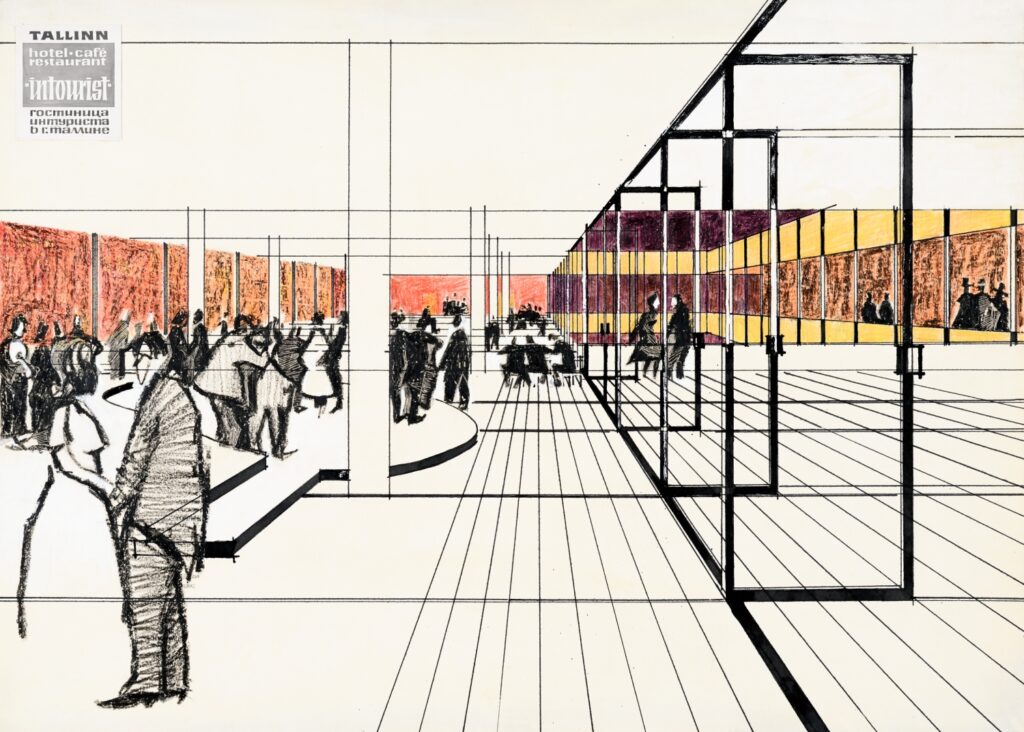
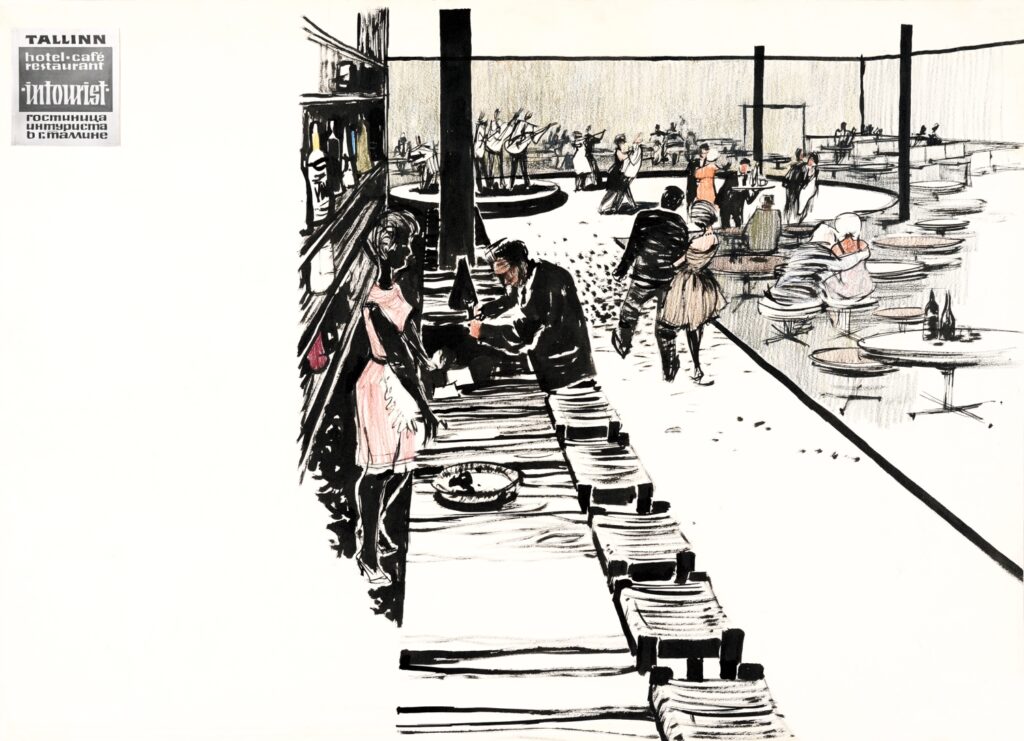
Interior design for Hotel Viru
-
-
Interior design for Hotel Viru
Vello Asi, Väino Tamm, Loomet Raudsepp, 1964–1968. MEA 4.2.2
Interior design for Hotel Viru
Hotel Viru (architects Henno Sepmann, Mart Port) was the highest and most modern hotel building in Soviet Estonia. It was primarily targeted at guests from Finland because the Tallinn-Helsinki seaway was reopened in 1965. However, locals were also able to access the bars and cafés of the hotel. The drawings illustrate a restaurant and a bar on the lowest volume of the building. The simplistic style reflected in the interior and the free plan indicate influences by modern Nordic room design – the opposite approach to the extravagant decade that preceded it. Drafts for the interior of Hotel Viru were to the museum by Eesti Projekt in 1994. Text: Sandra Mälk
-
-
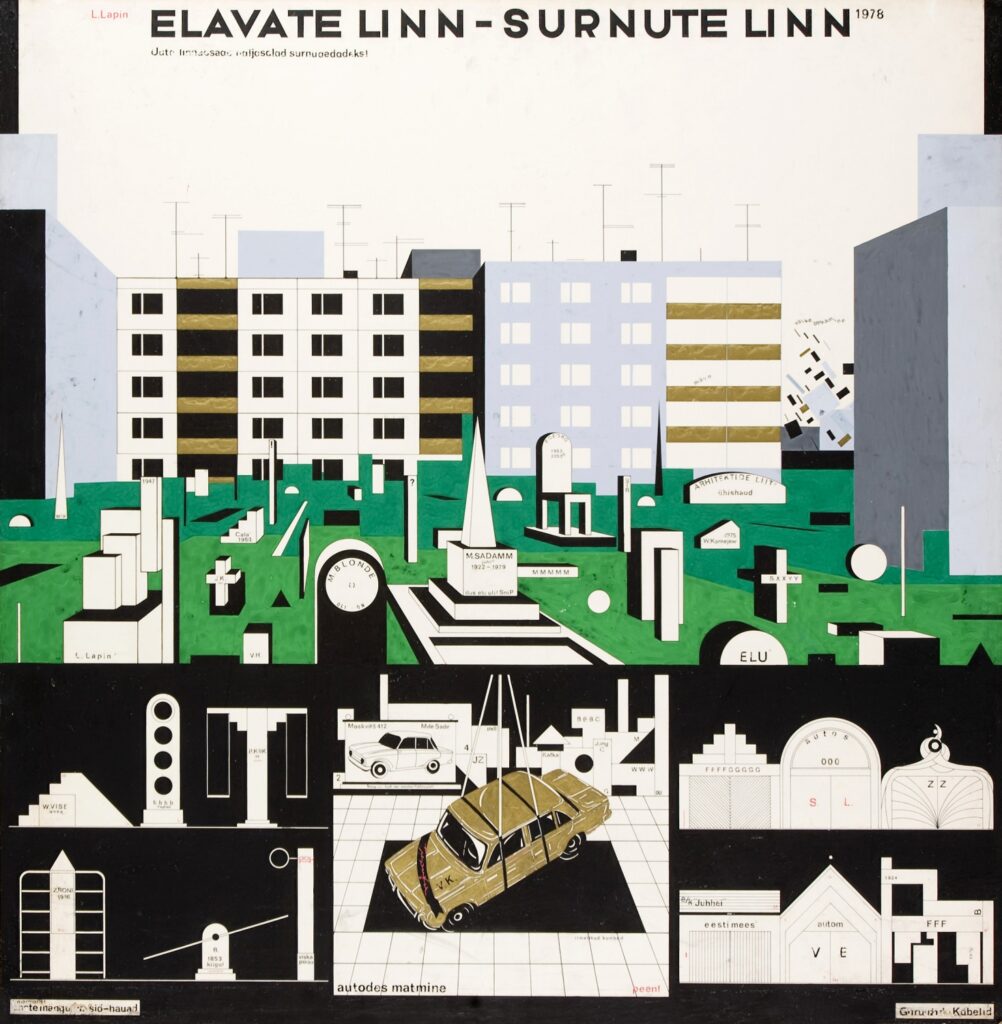
City of the Living – City of the Dead
Leonhard Lapin, 1978. MEA 4.18.2
City of the Living – City of the Dead
In the 1970s, in order to voice common opinions and organise a number of social-critical exhibitions and undertakings, avant-garde architectural students united to form a group later called the Tallinn School. “Elavate linn – Surnute linn” (“City of the Living – City of the Dead”) is Leonhard Lapin’s satirical take on the construction of characterless mass housing. The author hid several important allegories in the drawing: the words “Väike õhkamine” (“Little Sighing”) stuck between the buildings symbolise the Pruitt-Igoe Modernist housing project in St. Louis, MO, USA (demolished in 1972); while “Autodes matmine” (“Burial in cars”) in the centre of the work references Lapin’s friend Vilen Künnapu (also an architect), who was one of the first members of the Tallinn School to acquire a vehicle. The drawing was displayed at the Library of the Estonian Academy of Science in 1978 among other works of which many were donated to the museum by engineer Reet Lumiste in 1991.