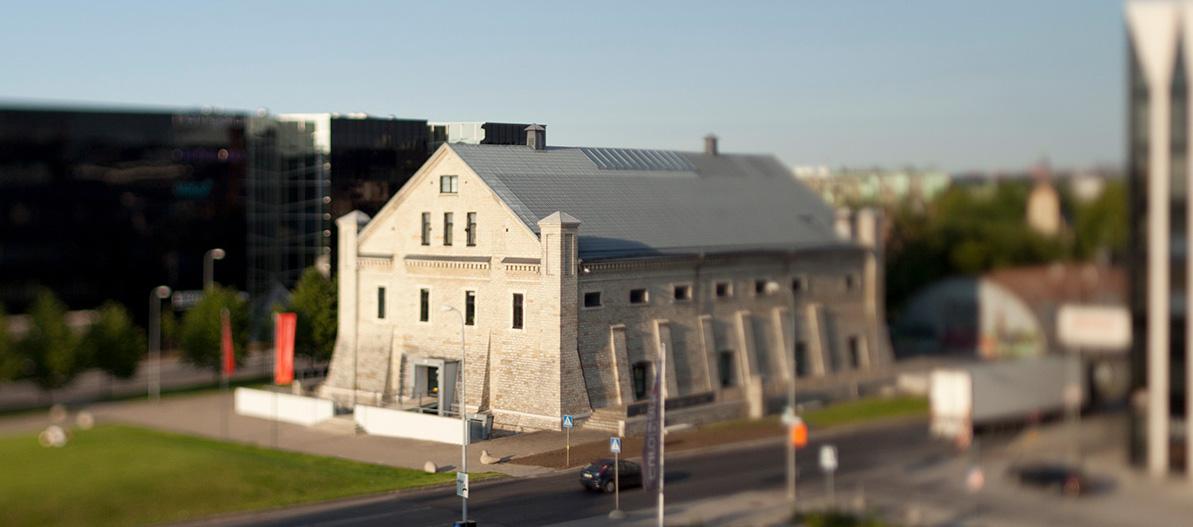
-
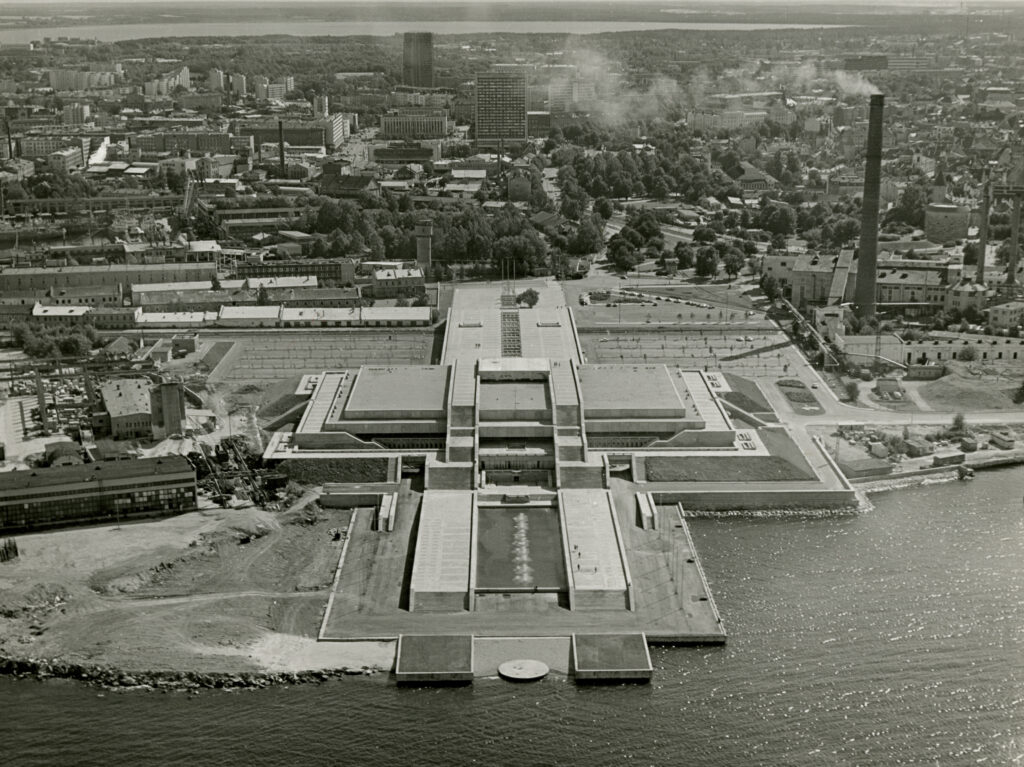
- Aerial view of Linnahall. Photo by Raine Karp. EAM Fk 5065
-
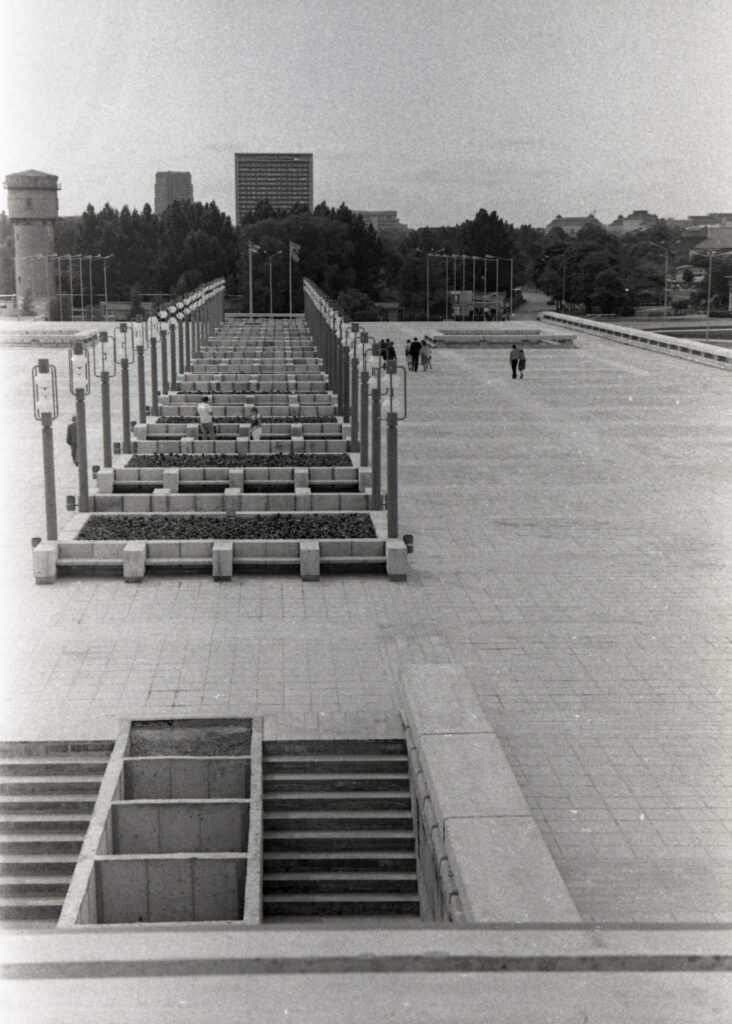
- A city square on the rooftop. Photo by Kalju Suur, 1983. EAM Fk 1905
-
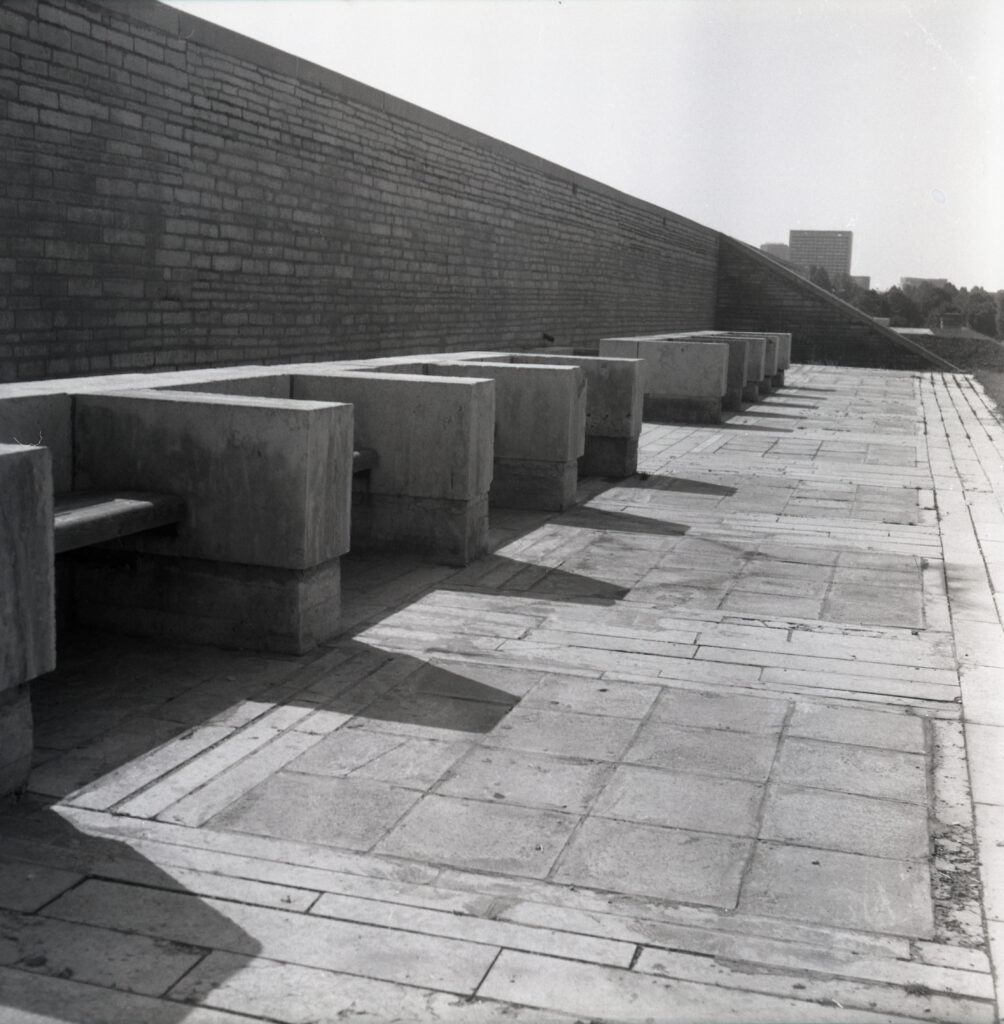
- EAM Fk 11192
-
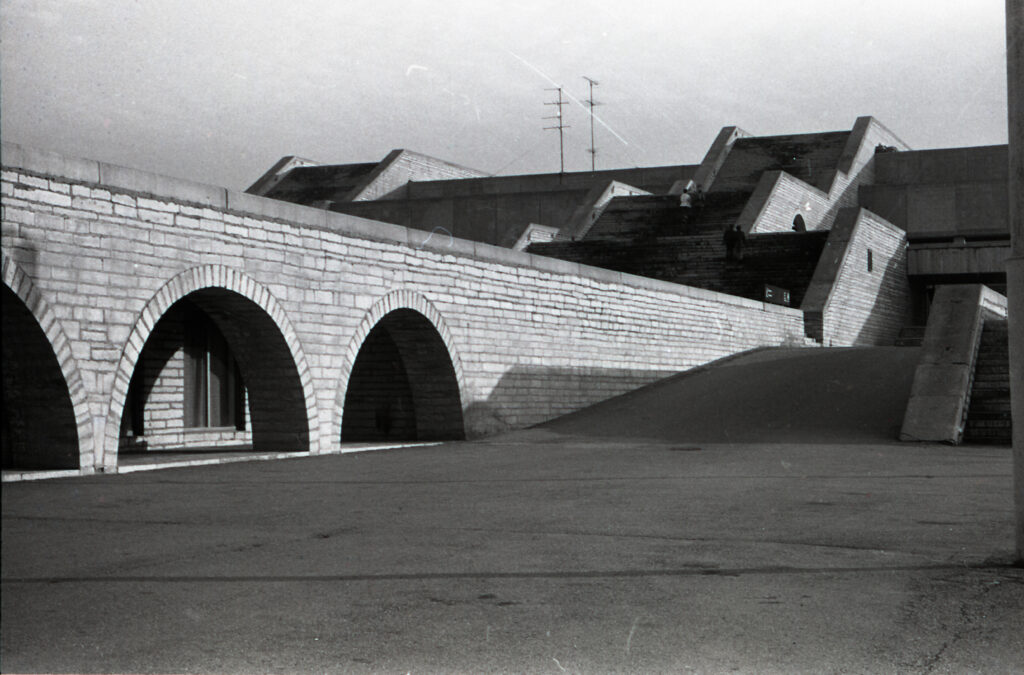
- Photo by Aleksander Narusbek. EAM Fk 22977
-
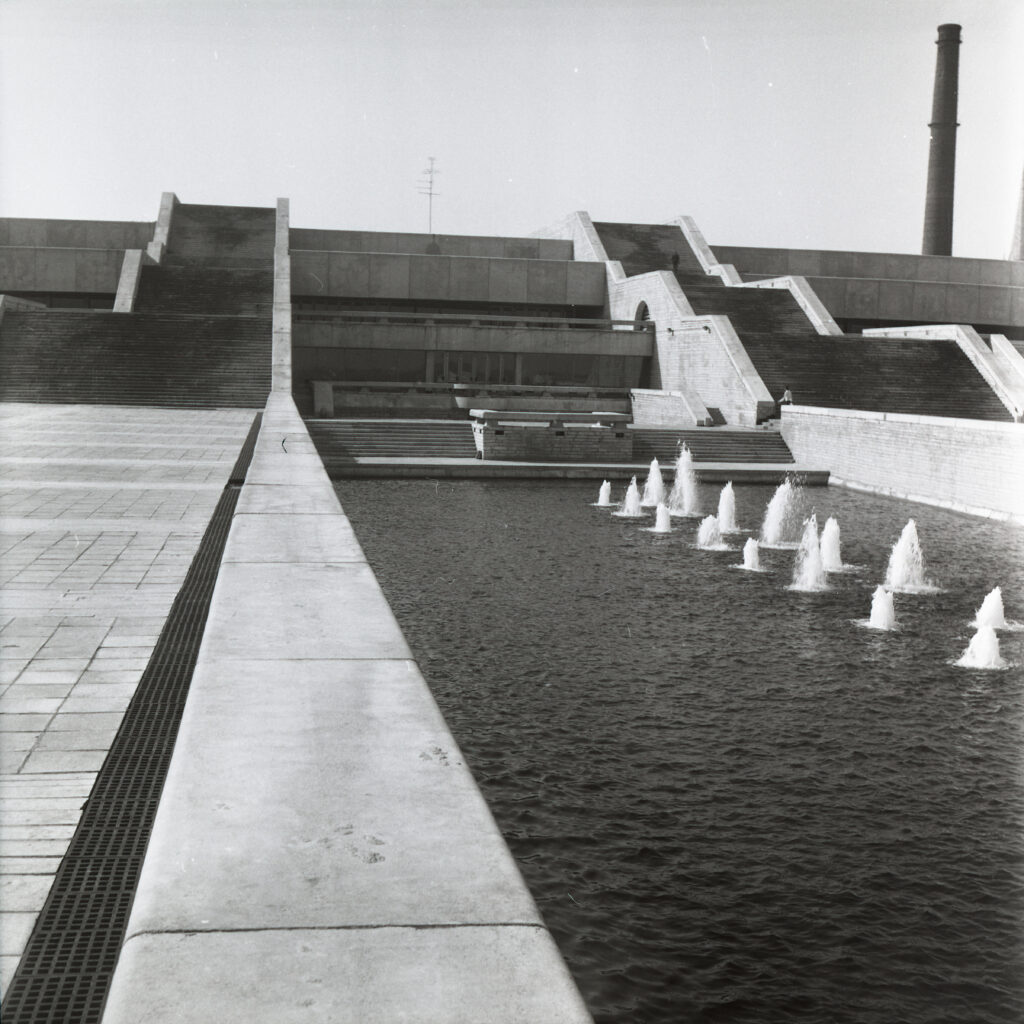
- EAM Fk 11188
-
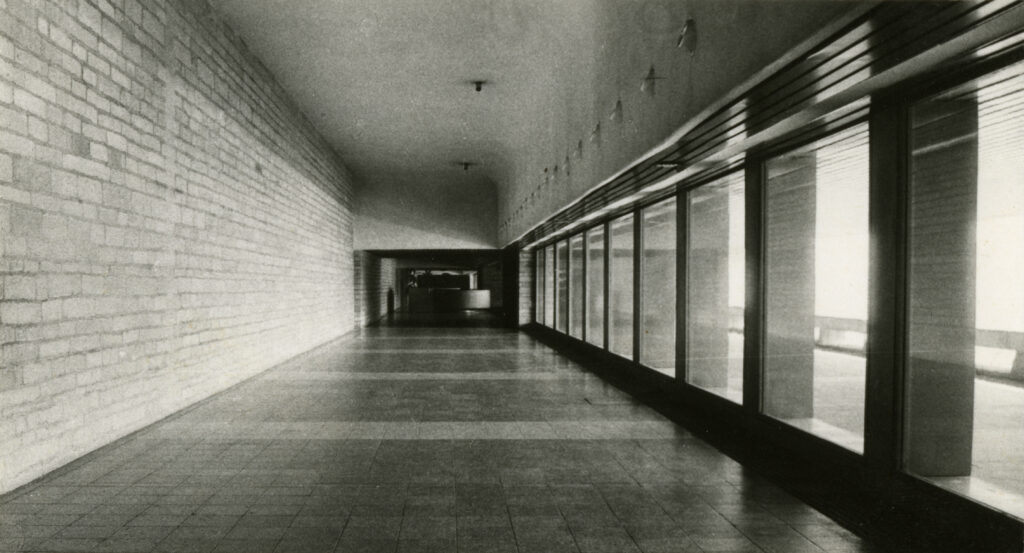
- Photo by Mari Kaljuste. EAM Fk 13186
-
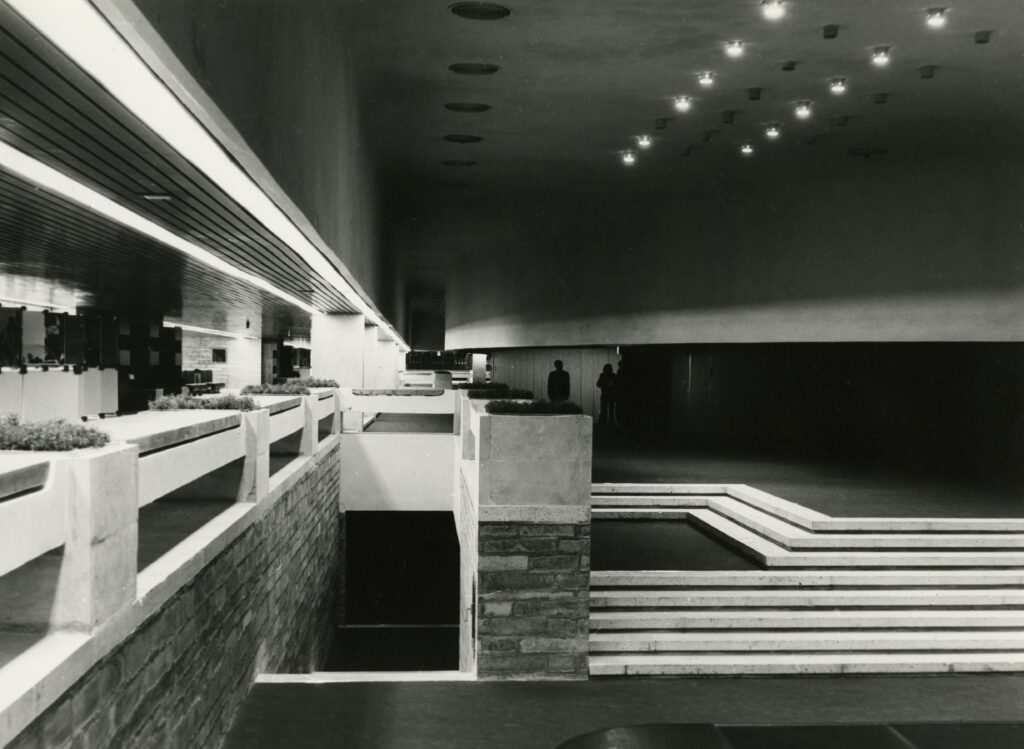
- Photo by Gunnar Nurmet, 1984. EAM Fk 2375
-
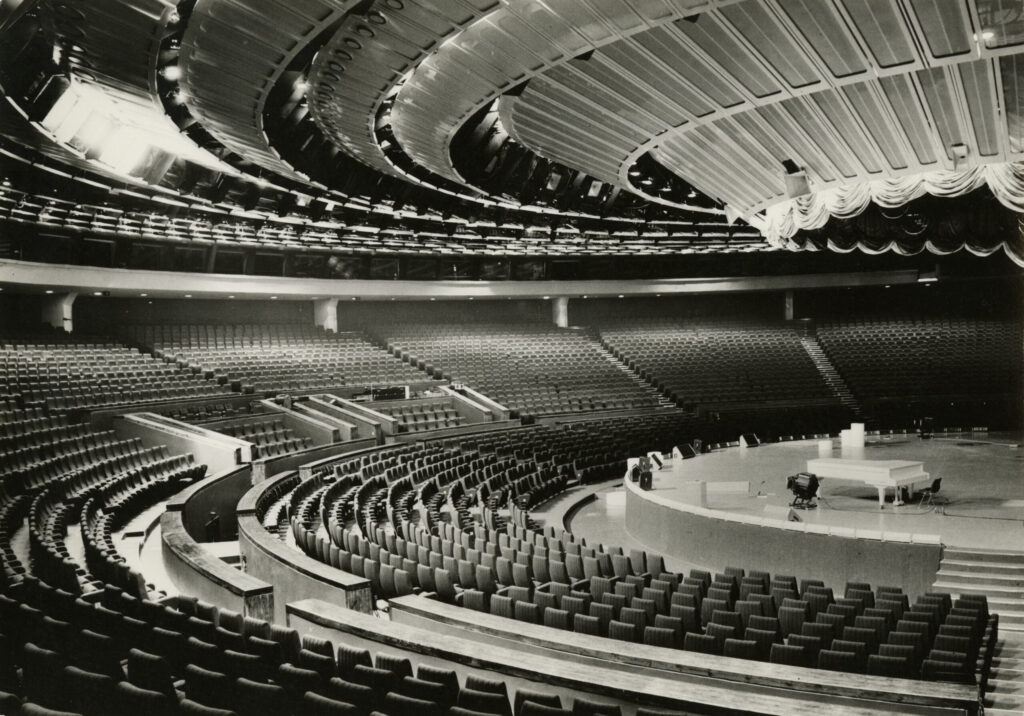
- Concert hall. EAM Fk 5066
-
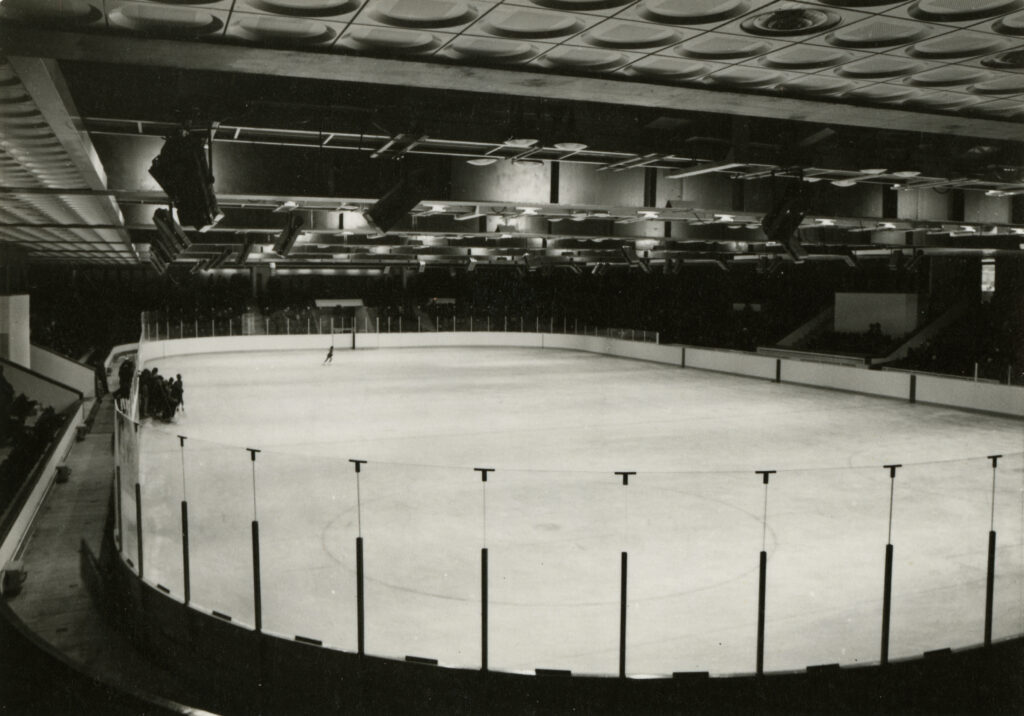
- Ice rink. EAM Fk 5067
Linnahall. Architects Raine Karp ja Riina Altmäe, interior architects Ülo Sirp ja Mariann Hakk, 1980
Linnahall
Opened in the summer of 1980, Linnahall is one of the most notable buildings in Estonian architectural history. This monumental, low-rise building blends seamlessly into the surrounding landscape and bears similarities in form to ancient ziggurats, pyramids and Japanese architecture, as well as the bastions of Tallinn’s Old Town. It was designed by architects Raine Karp and Riina Altmäe, with interior design by Ülo Sirp and Mariann Hakk. Linnahall has become an important landmark, captivating local residents, curious tourists and architecture professionals from around the world.
Linnahall is characterised by its symmetrical building volumes and ascending staircases. Arcades of various sizes soften the strictly geometric architecture. The low-rise section facing the city centre houses an ice rink with a capacity of 3,000 people. Above this, on the roof, is a spacious city square leading to the entrances of the concert hall. Beneath the square is a large transport corridor which was once traversed by a port railway and is now used by trams. At the heart of the building lies a unique, amphitheatre-shaped concert hall with seating for 4,200 people. Linnahall comprised many rooms serving various purposes, including cafés and bars located on different floors. Two low wings of the building facing the sea housed a smaller exhibition and concert hall, as well as a bowling alley.
Linnahall was built as a venue for cultural and sporting events. When it opened, Linnahall had the finest lighting and sound equipment, as well as an analogue recording studio which is still in use today. A significant amount of local pop music has been recorded there. Many internationally renowned musicians have performed at Linnahall (e.g., The Prodigy, Lou Reed, a-ha, Scorpions, and Philip Glass); it has hosted popular school and Christmas fairs, flower shows and numerous political events. The building gained international recognition in the film Tenet by American director Christopher Nolan.
Linnahall is a unique architectural masterpiece, added to the national cultural heritage list in 1997. The building has been closed to the public since 2010.
Text: Anna-Liiza Izbaš